
You may have heard the term minerality or mineral salt content during a wine tasting class or seminar. Sommeliers often describe a wine as crisp, fresh, or salty — especially when speaking about white wines from Italy. These words point to a unique and fascinating trait: minerality in Sicilian white wines.
This is one of my favorite topics in wine tasting. “Minerality” adds life and texture to every sip, connecting the wine directly to the soil it comes from. In Sicily, this quality often reflects the island’s volcanic origins and coastal influence.
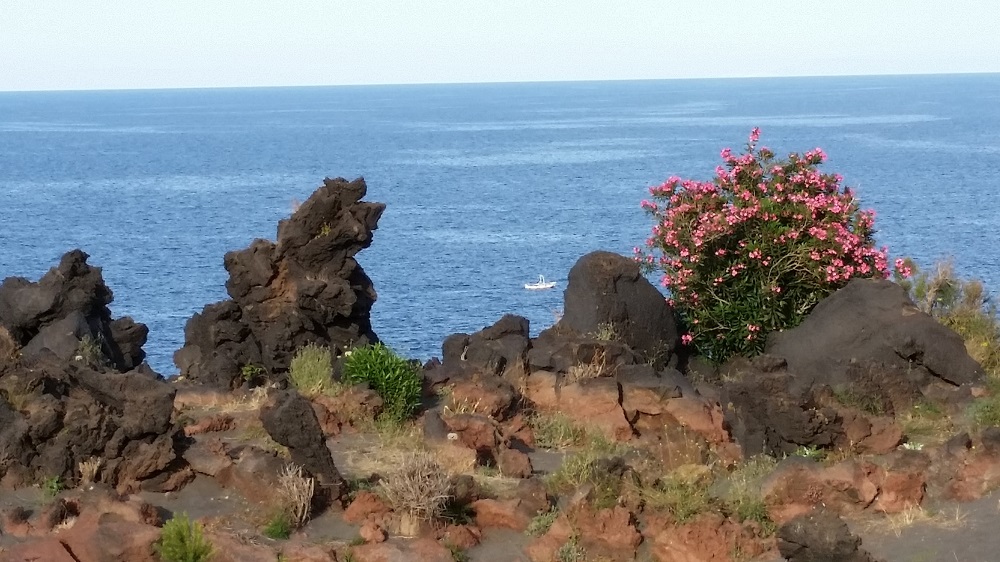
Recently, I had the pleasure of visiting the Aeolian Islands in the Tyrrhenian Sea to experience this first-hand. The soil there is rich in volcanic rock, pumice, and limestone, giving the wines their distinctive flavor. Small vineyards of Malvasia and Catarratto — two native Sicilian white grapes — grow on narrow terraces carved into the sea cliffs. The scenery was as breathtaking as the wines themselves.
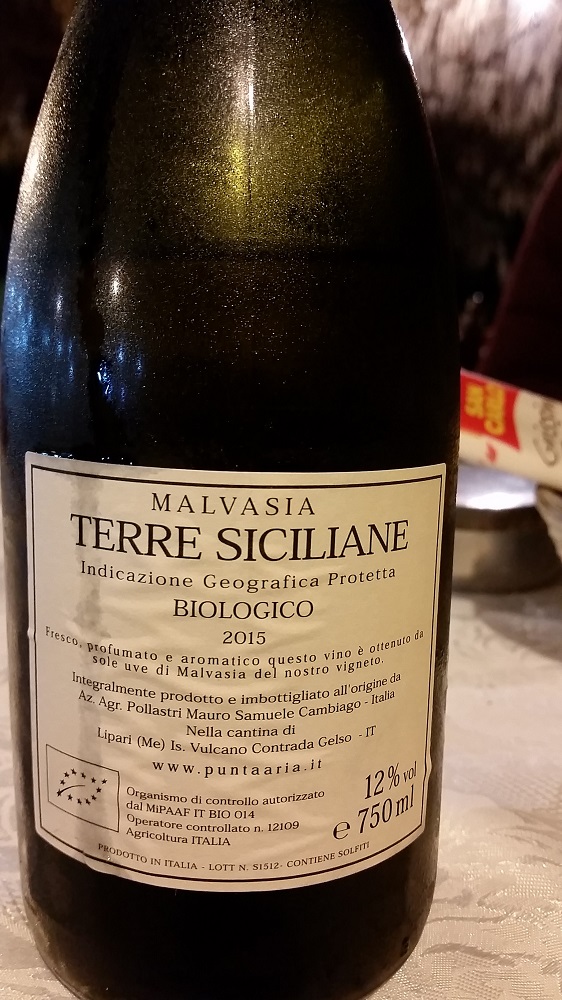
Both Lipari and Vulcano Islands produce outstanding white wines that express this natural minerality. Even the nearby island of Salina, whose name literally means “salt,” embodies this connection between land and sea. Each bottle tells the story of Sicily’s unique geology, offering freshness, structure, and a taste that lingers like a sea breeze.
For anyone exploring Italy’s diverse wine regions, understanding minerality in Sicilian white wines is essential — it’s what makes them truly unforgettable.